All masks
 Original masks
 Special edition masks
 Eyelash-protecting masks
 Featherweight masks
 Hotel Paradiso
 Breakfast at Drowsy
 Sleep and the City
 Swarovski® embellished
 Hyalo Silk Pillowcases
 Pillowcases
 Weighted blankets
 Bundles
 Gift sets
 Gift card
 Gift guide
 Bridal
 All travel accessories
 Necessaire
 Weekend bag
 Carry pouches
 Caps
Caps
 Pillow spray
 Candle
 Body care
 Supplements
 Scrunchies


What is sleep latency, and why does it matter?
If you’ve ever laid in bed wondering how long it takes you to actually fall asleep, you’ve already brushed up against the concept of sleep latency. It’s a term often used in sleep medicine, but it’s simpler than it sounds. Sleep latency basically measures how quickly you drift off once you close your eyes.
Some people nod off in minutes. Others toss and turn for what feels like hours. But that time gap, the period between wakefulness and the moment your brain officially enters sleep, is more telling than most of us realize. It can reflect your sleep quality, sleep debt, or even hint at certain sleep disorders.
What sleep latency really means
Sleep latency is the technical name for the time it takes you to fall asleep after lying down. In most sleep laboratories, this is called sleep onset latency. For a healthy person, it usually ranges from 10 to 20 minutes.
If you fall asleep in under five minutes (very short sleep latencies), you might be dealing with sleep deprivation or an underlying sleep disorder like narcolepsy. On the other hand, if it takes you longer than 30 minutes, that could point to insomnia, stress, or environmental factors that keep you from relaxing.
The key idea is balance. Too fast, and you may not be getting enough sleep. Too slow, and your mind may not be winding down properly.

How doctors measure it
In sleep medicine, experts use tools like the Multiple Sleep Latency Test (MSLT) to evaluate daytime tiredness. This test helps with measuring sleep latency, or how quickly a subject falls asleep during several naps across the day, usually after an overnight sleep study.
If your sleep latency is consistently very short, say, under eight minutes, doctors might look for signs of excessive daytime sleepiness or idiopathic hypersomnia, conditions where the body struggles to regulate sleep and wakefulness properly.
Think of the MSLT as an objective measure. It takes something you might describe as “I feel tired all the time” and turns it into data that sleep specialists can analyze.
Why sleep latency matters
Your sleep latency says a lot about how rested or unrested you really are. When you carry a lot of sleep debt, your body tends to crash quickly, showing shorter sleep latency times. That can feel like a relief (“I fell asleep instantly!”), but it’s actually your body signaling that it’s exhausted.
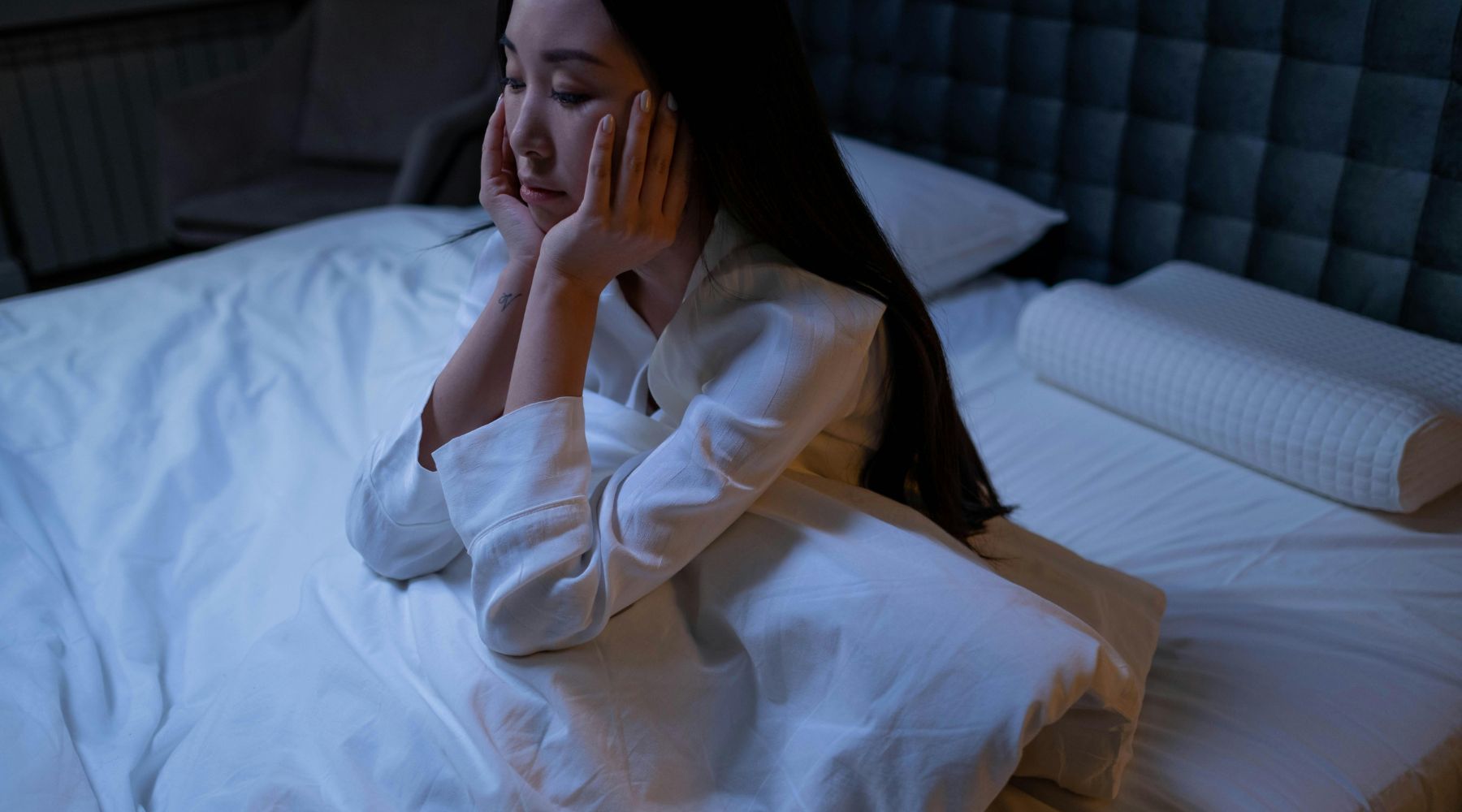
If you regularly stay awake for long stretches, it may mean stress, caffeine, chronic pain, or other factors are keeping your system alert when it should be winding down. Even late-night screen time, inconsistent schedules, or anxiety can affect this delicate process.
Understanding how long it takes you to fall asleep helps you spot what’s normal for you and what might need attention.
What’s considered normal
There’s no single “perfect” number, but here’s what sleep research and universities like Harvard and Stanford generally agree on:
-
Around 10–20 minutes = typical and healthy
-
Under 8 minutes = possibly sleep deprived
-
Over 30 minutes = could signal difficulty falling asleep or insomnia
But other factors like your medication, health, or stress level can influence it, too. That’s why sleep doctors always look at the bigger picture before drawing conclusions.
How it connects to REM and non-REM sleep
Once you fall asleep, your body cycles through non-rapid eye movement (nREM sleep) and REM sleep. These stages have their own timing and rhythm. If your sleep onset latency is long, it delays these cycles and can reduce total time spent asleep, which affects how refreshed you feel in the morning.
People with short sleep latencies often reach REM sleep faster, but this can sometimes signal sleep disorders like narcolepsy, where dream-like activity starts too soon. So, your sleep latency isn’t just about how fast you drift off, but it sets the tone for how the rest of your night unfolds.

Ways to improve your sleep latency naturally
If it takes you ages to fall asleep, small adjustments can help:
-
Set a consistent sleep schedule. Going to bed and waking up at the same time trains your body to respond predictably.
-
Avoid alcohol and caffeine in the evening as they can delay sleep onset.
-
Keep a cool, quiet, and dark room. Your body relaxes faster in a calm sleep environment.
-
Limit screens an hour before bed. Blue light keeps your brain alert.
-
Practice relaxation techniques. Deep breathing or light stretching before bed can help you transition out of alert mode.
-
Avoid long naps during the day if you’re trying to fix your nighttime routine.
Most importantly, be patient. Sleep latency doesn’t change overnight (ironically), but with better sleep hygiene and consistency, you can help your body learn when it’s time to rest.
When to seek help
If you’ve tried improving your sleep routine and still can’t fall asleep easily, or if you’re dozing off at random times during the day, consider talking to a sleep specialist. They can recommend tests like the MSLT or other wakefulness tests to pinpoint the cause.
Sometimes, addressing mental health conditions, improving exercise habits, or managing stress can make a big difference. The goal isn’t to chase perfect numbers but to feel rested and balanced.
Why your sleep latency matters
At its core, sleep latency is your body’s way of reflecting how ready you are to rest. It connects everything: your sleep debt, your habits, even how much sleep you’re getting. When you understand it, you can respond with small changes that improve not just your sleep, but your days, too.
A slower night doesn’t always mean a problem, and a quick one isn’t always a sign of health. It’s the pattern that counts. Learning your rhythm and working with it is the simplest way to build better nights, one sleep cycle at a time.